The Complete Guide to EV Charger Installation: Advantages and Best Practices
The installation of EV chargers presents significant advantages for both homes and businesses. Improved convenience and possible cost reductions are among the key benefits. Moreover, choosing the appropriate charger type is critical for optimal performance. That said, a number of pre-installation factors must be evaluated to ensure compliance and safety. Familiarity with the installation process and upkeep practices is just as important. What considerations should be addressed to optimize the benefits of installing an EV charger?
Why Install an EV Charger at Home or Business?
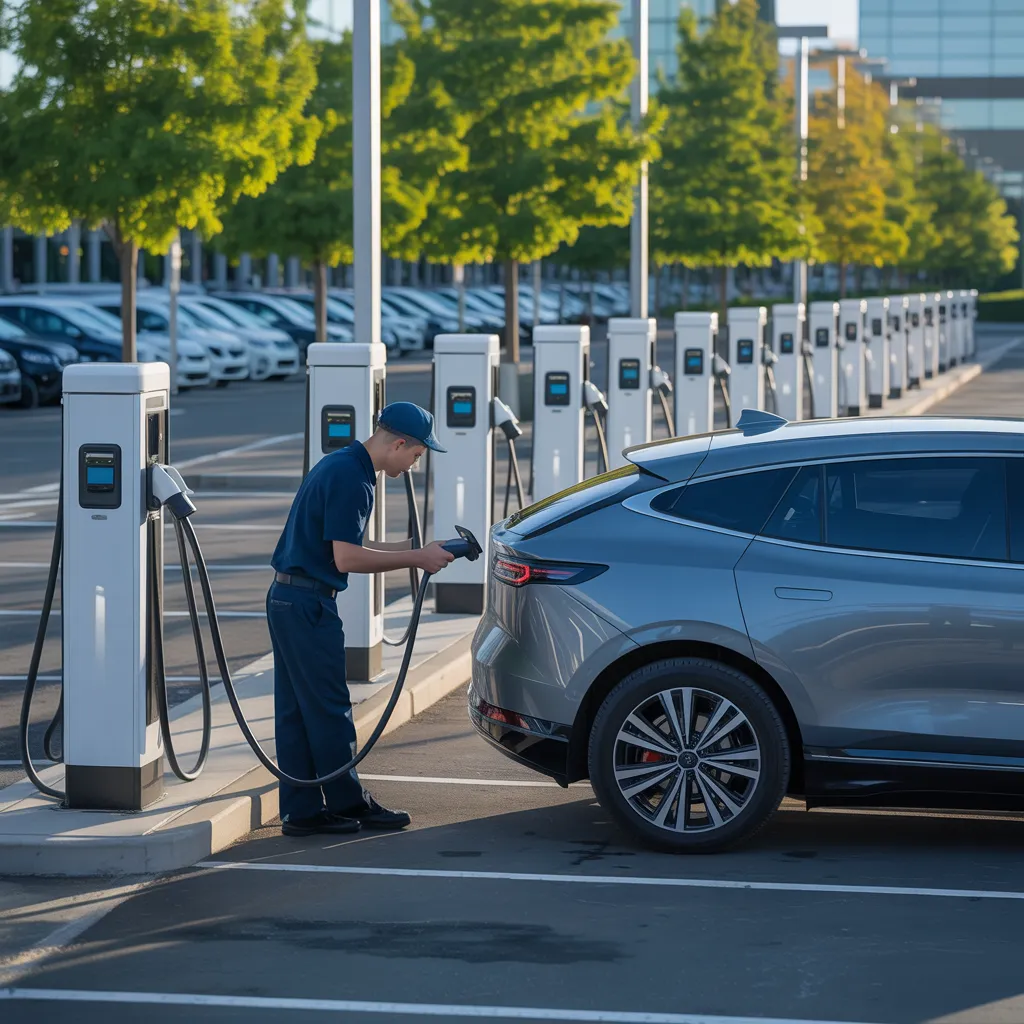
Adding an EV charger at home or business offers many benefits that serve to improve both convenience and sustainability. Through having a dedicated charging station, owners of electric vehicles can power their vehicles during overnight hours or throughout the business day, removing the necessity of frequent trips to public charging stations. This not only saves time but also guarantees that the car is always prepared for the road.
Moreover, adding an EV charging station can substantially cut power costs, especially with the availability of time-of-use rates. Companies can draw in environmentally aware clients by highlighting their investment in sustainable practices, strengthening their brand reputation. Furthermore, regional governing bodies often provide financial support for EV charger deployment, making it a financially sound investment.
Finding the Right EV Charger Type to Meet Your Needs
Choosing the right type of EV charger is important for optimizing charging efficiency and meeting individual needs. There are primarily three types of chargers: Level 1, Level 2, and DC Fast Chargers. Level 1 chargers, which use standard household outlets, are perfect for overnight charging but provide slower charging speeds. Level 2 chargers deliver faster charging and are perfect for home installations, handling various vehicle models effectively. For professional applications or quick charging needs, DC Fast Chargers considerably reduce charging time but require specialized electrical infrastructure.
When choosing a EV charger, considerations include the vehicle's compatibility, the everyday driving range, and the power supply on hand. In addition, financial limitations and installation area must be taken into account, as certain chargers might need expert installation. In the end, selecting the appropriate EV charger can enhance convenience and efficiency, rendering it a critical decision for all electric vehicle owners.
Key Things to Know Before Installing Your EV Charger
When embarking on the installation of an EV charger, several critical factors must be evaluated to ensure a successful setup. Initially, one must evaluate the electrical capacity of the home or facility. Verifying that the existing electrical system can support the additional load is essential to avoid possible electrical issues. Next, the location of the charger should be chosen carefully, taking into account ease of access, closeness to parking areas, and shelter from weather conditions.
Moreover, local building codes and regulations must be reviewed to verify compliance, as particular localities may have distinct requirements governing EV charger installations. Engaging a licensed electrician is advisable, as they can assess the site, recommend appropriate equipment, and confirm safe installation. Furthermore, access resource taking future needs into account, such as potential upgrades for additional vehicles or faster charging capabilities, can offer significant long-term value. Proper planning can lead to a seamless and efficient EV charging experience.
How to Set Up Your EV Charger: An Easy Step-by-Step Guide
Mounting an EV charger demands thorough planning and precise execution. Initially, the setup area must be inspected to confirm it satisfies safety and accessibility requirements. Next, the correct wiring of electrical elements is vital for the reliable and secure performance of the charging unit.
Getting Your Installation Site Ready
Preparing the installation site for an EV charger is a critical step that sets the foundation for a successful setup. To begin, the location should allow for easy access to the vehicle, preferably close to the power source. The surface must be sturdy, ensuring the charger stays secure. Eliminate any debris, vegetation, or obstacles that could interfere with installation or access. If installing outdoors, evaluate factors such as weather conditions and proximity to existing electrical infrastructure. Evaluate the electrical capacity of the home to verify it can handle the charger. As a final step, check local regulations and acquire necessary permits, as compliance with codes is vital for safe operation. Adequate preparation will streamline the installation process and boost overall effectiveness.
Linking Electrical Components
With the installation site ready, the next phase entails establishing the electrical connections for the EV charger. To begin, the circuit breaker should be turned off to ensure safe working conditions. The electrician must then link the charger's electrical wires to the assigned circuit. In most cases, this entails securing the live, neutral, and grounding wires according to the manufacturer's specifications. It is imperative to fasten all connections firmly, utilizing the correct tools to avoid any unsecured connections. Following this, the electrician should affix the charger securely to the wall or support pedestal, ensuring it is properly leveled. When all wiring connections are complete, the circuit breaker can be restored to the on position. Lastly, a comprehensive check should be conducted to confirm that all components are working properly prior to using the charger.
Essential Practices for Safe and Efficient Electric Vehicle Charging
Guaranteeing safe and reliable EV charging is fundamental for both vehicle longevity and user safety. To achieve this, users are encouraged to select chargers that adhere to local electrical codes and standards. Installing the charger in a properly ventilated area is recommended, ensuring it remains clear of potential hazards including water sources and flammable materials. Regular inspection of charging cables and connectors is vital to detect any wear or damage that may pose a safety risk.
Furthermore, it is important for users to keep track of the charging process and refrain from overloading electrical circuits. Employing timers or advanced smart charging features can assist in managing energy usage and lowering costs. It is also important to educate users about proper charging etiquette, such as disconnecting the vehicle immediately after charging to avoid overheating. By following these recommended guidelines, optimal levels of safety and efficiency can be achieved, which ultimately leads to a superior EV charging experience for all users.
How to Maintain Your EV Charger for Long-Term Performance and Durability
Proper maintenance of an EV charger significantly enhances its long-term performance and reliability. Routine checks are necessary to guarantee all connections are tight and corrosion-free. Cleaning the charging port and cable can prevent dirt accumulation, which may hinder charging efficiency. In addition, users should consistently review available software updates, as manufacturers commonly distribute updates that strengthen reliability and safety.
It is also important to pay attention to the charging environment. Storing the charger in a protected area can protect it from extreme weather conditions that may cause damage. Using a surge protector can safeguard the charger from electrical surges.
Finally, recording any unusual behaviors, such as slow charging or error messages, can facilitate timely troubleshooting. Adhering to these maintenance guidelines confirms that the EV charger is kept in excellent condition, thereby improving the user experience and prolonging the device's functional lifespan.
Frequently Asked Questions
Can I Set Up an EV Charger on My Own, or Should I Hire a Professional?
Homeowners are able to install an EV charger themselves if they possess the essential skills and knowledge; however, enlisting a qualified electrician is often recommended for safety reasons, adherence to local codes and regulations, and ensuring peak performance of the home charging setup.
What Permits Do You Need for EV Charger Installation
EV charger installation permits generally consist of electrical permits along with zoning permits in select regions. Regulations differ depending on the area, so reviewing local requirements and considering the help of a qualified expert can ensure full compliance and safety.
What Are the Typical Costs of Installing an EV Charger?
Installing an EV charger generally costs between $500 and $2,000, depending on factors such as the complexity of the installation site, labor rates, and necessary electrical upgrades. Further costs can result from permits or specific equipment needs.
How Long Does the Installation Process Take?
The installation procedure for an EV charging unit typically takes anywhere from four to eight hours, subject to how complex the electrical system is and the particular charger model being installed, in addition to any applicable permits or inspections that may be needed.
Are There Tax Credits or Rebates Available for EV Charger Installation?
That's correct, numerous financial incentives and tax credits are provided for electric vehicle charger installation. Such incentives are commonly influenced by regional guidelines and location, prompting both homeowners and business owners to adopt sustainable EV charging systems for sustainable transportation alternatives.